Causes of acne-prone skin
The causes of acne are still the subject of some disagreement among researchers, but one thing remains certain: it is a hormonal and inflammatory condition.
Hormonal changes such as puberty, menstruation, pregnancy and menopause can increase the production of sebum and skin cells (corneocytes). These phenomena are called hyperseborrhoea and hyperkeratosis.
The build-up of skin cells in the walls of the pilosebaceous follicles obstructs the sebaceous glands located at the root of the hairs, preventing the sebum from flowing properly, the pores dilate and retention lesions appear i.e. blackheads and whiteheads.
The sebaceous glands are overloaded with sebum, which causes inflammation on the skin surface. This inflamed terrain is an ideal breeding ground for bacteria, especially Cutibacterium acnes. The latter breaks down the sebum and releases inflammatory mediators that increase and spread the inflammation to the surrounding tissue.
Other factors cause acne or make it worse by clogging the pores or boosting the activity of the sebaceous glands:
- Stress causes a hormone, cortisol, which influences the behaviour of the sebaceous glands.
- Products and actions that strip the skin too excessively stimulate the production of sebum.
- Cosmetics and makeup that are too oily and non-comedogenic clog the pores.
- A genetic predisposition.
- Smoking.
- Some medicines.
How do you recognise hormonal acne?
Hormonal acne in adults is caused by a hormonal change that stimulates the sebaceous glands responsible for the appearance of spots on the lower face. It is distinguished from adolescent acne by the location of lesions in a U-shape around the chin and on the neck.
Conversely, pubescent acne is visible all over the face, especially on the T-zone, but also on the neck, chest, shoulders and upper back.
Acne-prone skin in adults can also develop into inflammatory spots that can leave scars. On skin with little sebum, they dry out and become easily irritated by inappropriate treatments.
The timing of the symptoms is also a clue: if the spots occur once a month, at the same time as your period, it’s most likely a hormone-related acne outbreak. Note that the spots tend to reappear in the same places where the pores were dilated by the previous spots.
How do you get rid of acne?
To reduce blemishes, find a skincare routine for acne and stick with it, perseverance will be key to your routine’s success.
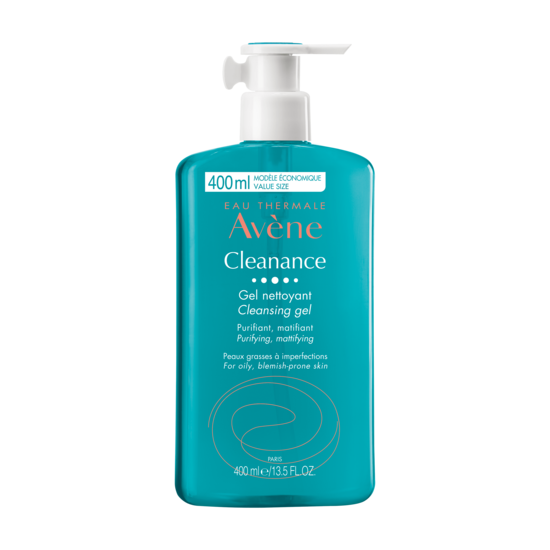
Cleanse your face twice a day with a cleanser specially designed for oily and acne-prone skin. In the morning and/or evening, Cleanance Cleansing Gel purifies the skin, reduces excess sebum and mattifies the skin for less shine. The Cleanance Micellar Water is perfect for removing eye and face makeup, and eliminating impurities, while reducing excess sebum and shine.
Then, apply a product suitable for your skin imperfections – non-comedogenic mattifying moisturiser in case of shine, anti-imperfection in case of blackheads and pimples, or smoothing in case of residual marks, and each one suitable for your skin’s needs and your age.
The Cleanance range has been specifically designed to care for oily, acne-prone skin in adult women. You’ll find, among other things:
- Cleanance Expert Tinted Emulsion which eliminates spots and blackheads, evens the complexion and hydrates your skin.
- Cleanance Comedomed Anti-Blemish Concentrate which fights pimples and limits their recurrence from 7 days.
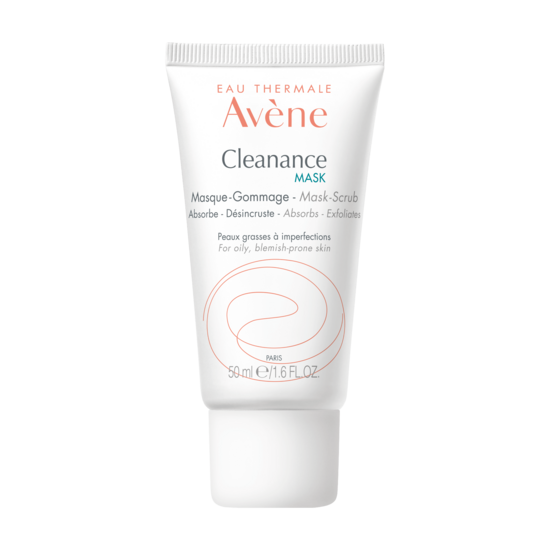
- Pair these with the Cleanance MASK Mask-Scrub, applied once or twice a week to the whole face, to exfoliate and purify your skin.
Our laboratories have also designed skincare products for skin with acne that has been dried out and irritated by prescribed acne treatments. They restore skin comfort, calm irritation and reduce facial redness. If your dermatologist has prescribed these types of medication, then you can turn to:
- Cleanance Hydra Soothing Cleansing Cream for facial cleansing.
- Cleanance Hydra Soothing Cream for its moisturising properties.
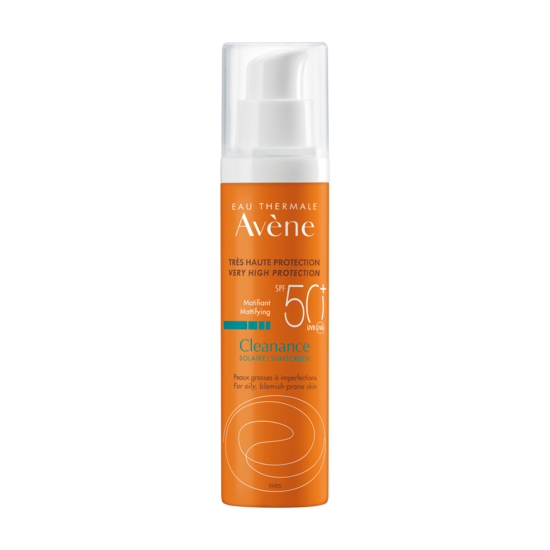
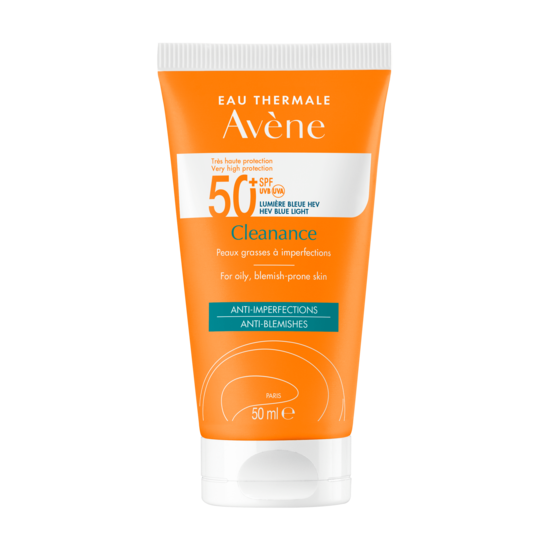
In case of sun exposure, remember to protect yourself with a suitable, easy-to-apply, non-greasy, sebum-regulating product such as Cleanance Solaire SPF 50+.
Finally, discover our makeup tips for acne-prone skin.
How long does acne last?
In adolescents, acne lasts on average three to four years and disappears by the age of 18 to 20. If left untreated, this period may last longer.
It can also reappear in adulthood following hormonal disturbances encountered mainly in women (pregnancy, menstruation, menopause).